Loading...
Serving Ormond Beach, FL and surrounding areas. (386) 284-1728
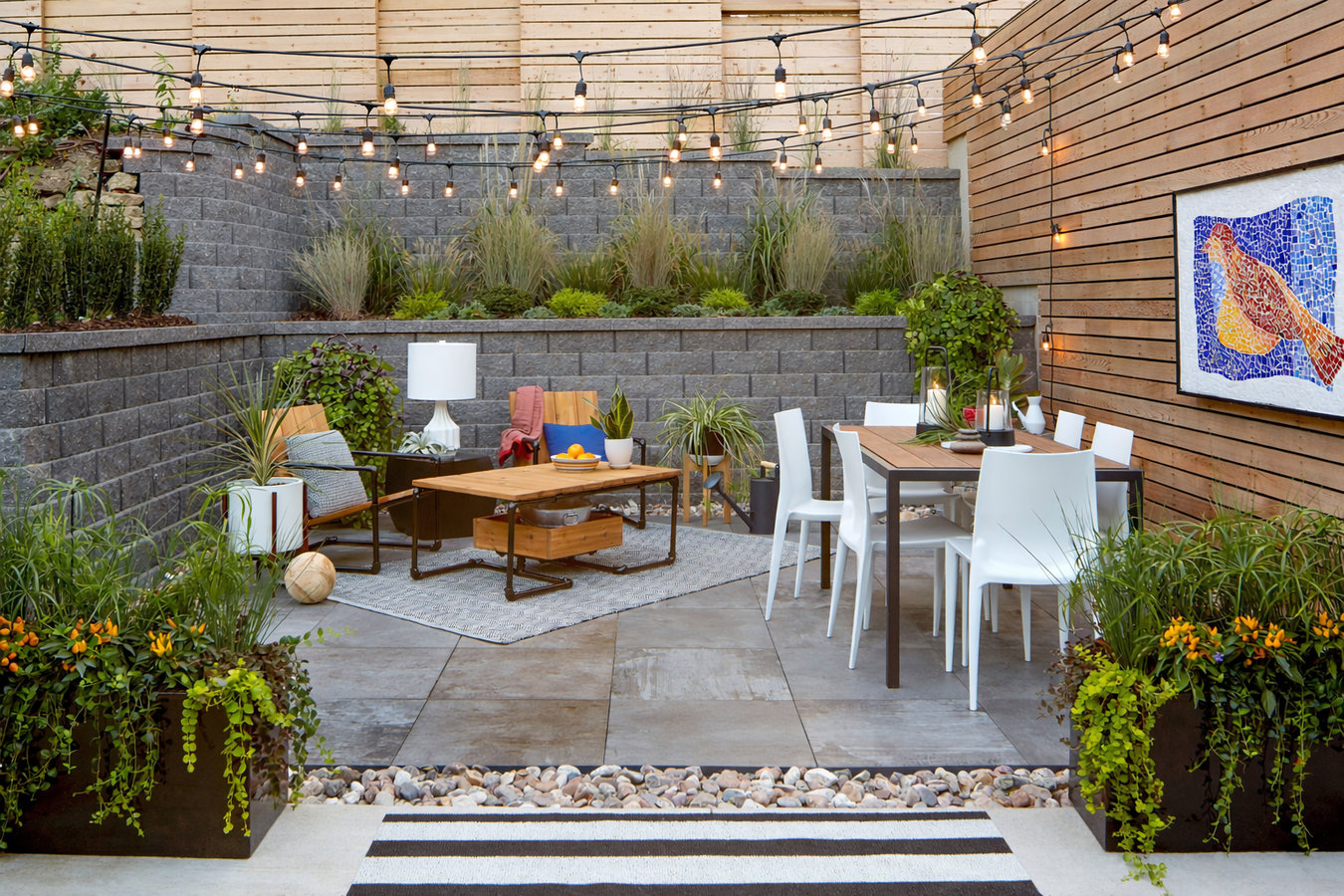
Ormond Beach Concrete handles concrete work across Daytona Beach, FL - patios, driveways, pool decks, sidewalks, and foundations. We know the flat terrain and drainage challenges this city throws at every pour, and we work with homeowners, landlords, and property managers throughout the area. We reply within 1 business day.
Daytona Beach has outdoor living weather for most of the year. A concrete patio around a rental property or owner-occupied home holds up better than wood decking in the constant humidity and gives tenants or homeowners a clean, stable outdoor surface.
Daytona Beach driveways on flat lots need deliberate drainage slope built into the pour. Without it, water sits against the garage or foundation after every afternoon thunderstorm during rainy season.
Salt air and UV exposure hit pool decks hard in Daytona Beach. A slip-resistant concrete deck with a proper sealer holds up through the heat and humidity better than tile or pavers, and it is easier to maintain on a rental property.
Flat lots near the Halifax River and tidal areas sometimes need retaining walls to manage erosion and keep soil in place. Poured concrete handles this better than block or timber in areas with high soil moisture.
New structures in Daytona Beach almost universally use monolithic slab foundations because they perform well in the sandy, low-lying terrain and keep ground moisture away from the structure.
Older neighborhoods in Daytona Beach have cracked or heaved sidewalks from tree root growth and decades of Florida weather. A properly graded replacement sidewalk resolves drainage issues and eliminates trip hazards.
Daytona Beach sits on mostly flat, low-lying land between the Halifax River and the Atlantic Ocean - a geography that creates drainage challenges on nearly every residential lot. Standing water after afternoon thunderstorms is a common complaint from homeowners in older neighborhoods west of US-1. When a concrete slab is poured without deliberate drainage slope, that water works against the slab and whatever sits beside it. Most of Daytona Beach's housing stock was built between the 1950s and 1980s using concrete block construction, and these homes have had decades of Florida humidity, UV exposure, and occasional storm damage working on every exterior surface. Contractors working in this city need to account for that history on every job - not just the new work being done.
The beachside barrier island adds a second layer of complexity. Properties within a mile or two of the Atlantic face salt air year-round, which accelerates surface wear on concrete faster than any inland Florida location. Homes along the beachside corridor often need resurfacing or resealing sooner than equivalent inland homes, and new concrete poured at these properties benefits from specific finish and sealing standards. Daytona Beach is also home to a significant number of rental and investment properties, where deferred maintenance has sometimes built up over multiple tenancy cycles. The U.S. Census Bureau data consistently shows Daytona Beach with one of the higher renter-occupied housing rates in the region, and contractors here regularly encounter properties that have not had concrete work done in many years.
Our crew works throughout Daytona Beach regularly, and we understand that different parts of the city present different concrete challenges. The beachside neighborhoods along Atlantic Avenue have older homes on narrow lots with decades of salt air exposure. The Midtown neighborhoods have a mix of CBS homes from the 1960s through 1980s, many with cracked flatwork and drainage issues that have been patched rather than properly addressed. The quieter residential streets south toward Daytona Beach Shores are a different market again - more owner-occupied, with homeowners who have been in their homes a long time and are ready to invest in the property properly.
The Daytona International Speedway is the city's best-known landmark, and the neighborhoods west of International Speedway Boulevard have a different character than the beachside - older commercial corridors, more industrial uses nearby, and residential streets that have seen varied levels of upkeep. Halifax Health and Embry-Riddle Aeronautical University bring a stable year-round population to the area that includes homeowners with long-term investment in their properties. We work across all of these areas and know what to expect from each.
We are based in neighboring Ormond Beach and serve Daytona Beach as a primary market - it is a short drive down US-1, and we pull permits through the Volusia County Building and Zoning Division for Daytona Beach jobs the same as we do for work in our home city.
We reply within 1 business day. Let us know what you need and where the property is located. We schedule a site visit at your convenience - no cost, no commitment at this stage.
We visit the property, assess drainage conditions, measure the work area, and identify any permit requirements. You receive a written estimate that breaks out base prep, materials, drainage considerations, and finish - clearly itemized, no surprises.
If a Volusia County permit is required, we submit it on your behalf. Review typically takes one to two weeks. Once approved, we confirm a firm start date in writing.
We complete the work on the scheduled day, clean the site, and walk through the finished project with you. You receive written curing instructions and a timeline for when the surface is ready for full use.
We serve homeowners, landlords, and property managers throughout Daytona Beach. Call us or submit a request and we will get back to you within 1 business day with a time to visit your property - no cost, no commitment.
(386) 284-1728Daytona Beach is the largest city in Volusia County with a population of about 69,000, though that number multiplies dramatically during events like Daytona 500 weekend and Bike Week - two of the city's defining annual events that residents plan their lives around. The city is built around the Daytona International Speedway to the west and the Atlantic Ocean and beachfront boardwalk to the east, with residential neighborhoods spread between those two anchors. Major employers including Halifax Health and Embry-Riddle Aeronautical University give the city a stable year-round population alongside the seasonal visitors. The housing stock leans older, with a majority of homes built between the 1950s and 1980s using concrete block construction - and a higher share of renter-occupied units than most comparable Florida cities.
The city has several distinct neighborhoods with very different characters. The beachside barrier island east of the Halifax River has the densest concentration of tourist infrastructure alongside older cottages and rental units. West of US-1, residential neighborhoods like Midtown have older bungalows and CBS ranch homes with decades of Florida weather on them. South of the city proper, Daytona Beach Shores has a more residential, owner-occupied character. Daytona Beach borders several communities that are really part of the same metro area, including Ormond Beach to the north and Port Orange to the south - all areas we serve regularly.
We serve Daytona Beach from the beachside to the neighborhoods west of US-1. Call us today or submit a request online and we will have a written estimate ready within 1 business day - rainy season does not wait, and neither should your project.