Loading...
Serving Ormond Beach, FL and surrounding areas. (386) 284-1728
Ormond Beach Concrete is the concrete contractor New Smyrna Beach homeowners call for pool deck replacement, driveway repair, patio slabs, retaining walls, and concrete steps. We have served coastal Volusia County since 2025, work on both the beachside barrier island and the mainland, and understand how salt air, sandy soil, and the high water table here affect concrete over time. All inquiries receive a response within 1 business day.
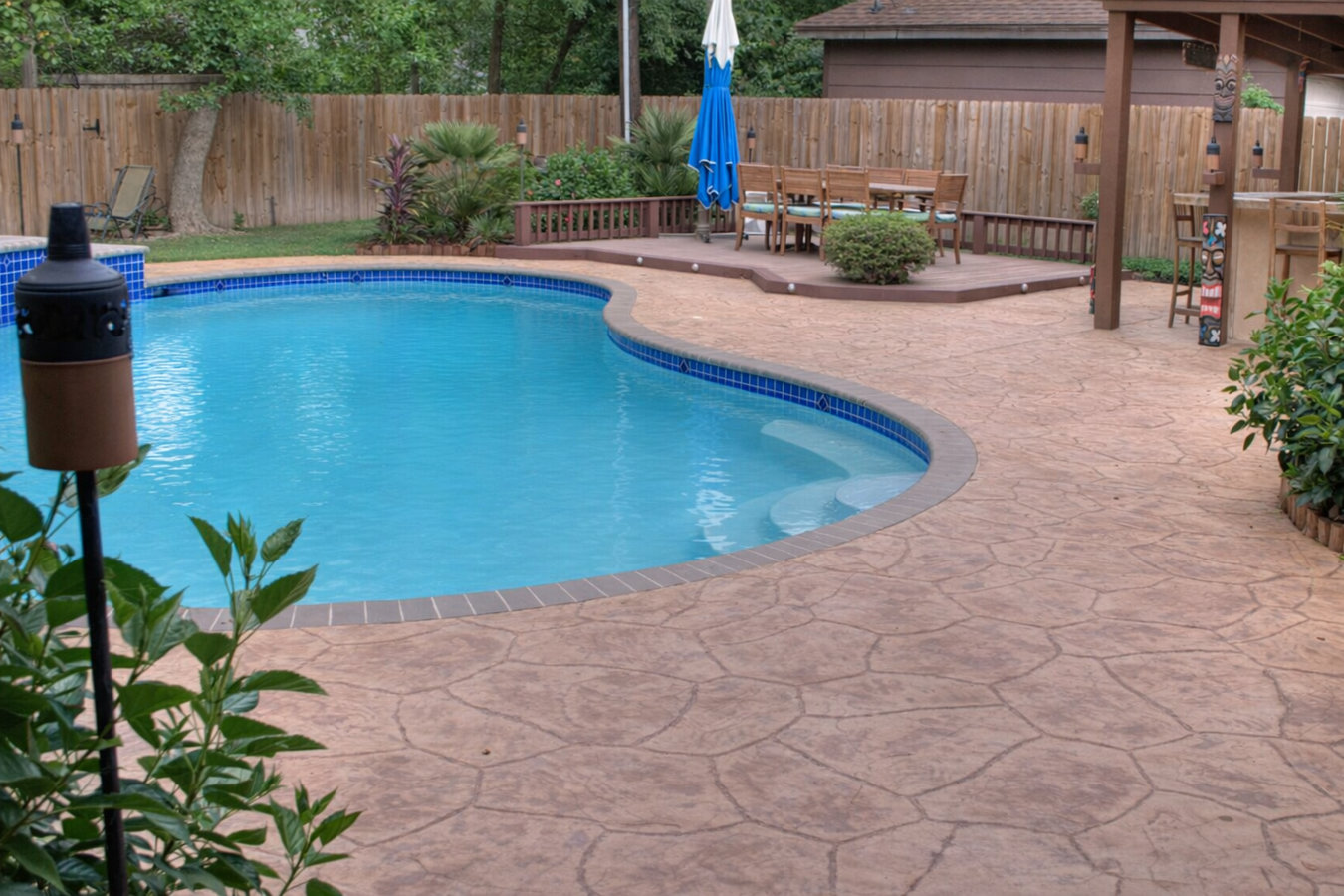
New Smyrna Beach pools get used most of the year, and deck surfaces on homes built in the 1960s through 1980s are often original concrete that has been patched repeatedly rather than replaced. Beachside pool decks face the added challenge of constant salt air exposure, which degrades surface concrete faster than inland properties see. A properly poured, sealed pool deck handles the coastal humidity and UV load here and gives you a safe, non-slip surface that does not require patching every season. See our concrete pool deck services.
Sandy coastal soil that shifts and contracts with every wet-and-dry cycle is the reason driveways crack in New Smyrna Beach far sooner than their age would suggest. Homes on the beachside barrier island deal with extra salt air working on the surface, while mainland driveways in older neighborhoods show the same base settlement issues as the rest of Volusia County's coastal housing stock. A replacement driveway poured on properly compacted base handles both conditions and stays level through repeated wet seasons.
New Smyrna Beach's low-lying terrain and proximity to the Intracoastal Waterway means many properties deal with slow yard erosion and grade loss after heavy rain. A poured concrete retaining wall holds the yard in place, defines lot boundaries near drainage channels, and prevents the kind of soil migration that undermines landscaping and flatwork year after year in coastal Florida neighborhoods.
Rear patios and screened lanais are a staple of New Smyrna Beach's single-family homes, and the poured concrete slabs under them on older properties are cracking and settling as the original sandy sub-base shifts. For short-term rental properties in New Smyrna Beach, a durable, level outdoor patio is part of what keeps the property attractive and bookable through the busy tourist season. A new slab poured on a proper base holds level through years of Florida wet-season rain without patching.
New Smyrna Beach's high water table - especially in low-lying mainland neighborhoods near the Intracoastal Waterway - means slab foundations for additions, garages, or accessory structures need careful drainage and moisture barrier planning before the first concrete is poured. A slab that ignores the water table conditions here will develop cracks and moisture intrusion problems faster than one built for the local ground conditions.
New Smyrna Beach homes near the historic Canal Street district and the beachside often have older entryways, courtyard areas, and outdoor surfaces that homeowners want to update without losing the character of the property. Stamped and decorative concrete finishes can give a new pool surround, front walkway, or patio the look of natural stone or pavers while holding up to the salt air and humidity that eats through thinner surface coatings on coastal properties.
New Smyrna Beach is split into two distinct sides - the beachside barrier island east of the Intracoastal Waterway and the mainland to the west - and those two sides have meaningfully different concrete challenges. Beachside homes sit in constant salt air blowing in off the Atlantic, which corrodes metal reinforcement inside concrete and degrades surface coatings faster than almost any inland environment in Florida. Many beachside homes were built in the 1950s, 1960s, and 1970s using concrete block construction, and the combination of age, salt air, and decades of coastal humidity has worn on those structures in ways that are visible on pool decks, front walkways, driveways, and entry steps. At the same time, rising home values in New Smyrna Beach - driven by buyers from larger Florida cities and out of state - mean there is more renovation activity and more homeowner investment in bringing older properties up to current condition.
The mainland side has a different profile: sandy soil with a high water table in lower-lying neighborhoods, newer subdivisions from the 2000s and 2010s that are starting to see their first concrete failures, and the kind of shifting sub-base conditions that cause driveways and patio slabs to crack and sink after repeated wet seasons. The City of New Smyrna Beach requires permits for most new concrete work, and with home values where they are today, unpermitted work creates real risk at closing. Hurricane season also matters here: New Smyrna Beach's position on the central Atlantic coast of Florida puts it directly in the path of storms that can damage flatwork, undercut slabs, and leave standing water that softens already vulnerable base conditions across the city.
Our crew works throughout New Smyrna Beach regularly, and we understand the local conditions that affect concrete work on both sides of the Intracoastal Waterway. The Canal Street historic district is one of the most recognized parts of New Smyrna Beach, and the older homes near it - some of which date back to the early 1900s - present a different kind of concrete job than the newer mainland subdivisions or the beachside condos. Older homes near Canal Street often have original walkways, courtyard areas, and entry structures that need replacement rather than patching, and the historic character of the neighborhood requires care in how new concrete work fits the existing property.
On the beachside, the proximity to Canaveral National Seashore to the south gives New Smyrna Beach its undeveloped, natural coastal character, and the homes closest to that boundary deal with the most direct ocean air exposure of any properties in the city. We adjust base preparation, sealer selection, and reinforcement spec for beachside jobs because the conditions there accelerate wear differently than mainland work. Short-term rental properties in New Smyrna Beach also need concrete work turned around on a schedule that keeps the property available - we build that into the project timeline when it matters.
We also serve neighboring Edgewater to the north and Port Orange farther up the coast, so if you have work that spans the area or want references from nearby communities, we can provide both.
We respond within 1 business day. Tell us your address and what you need - beachside and mainland properties both have our full attention - and we set a free site visit that works for your schedule.
We assess the soil, drainage, existing concrete condition, and any salt-air degradation before writing the estimate. Every cost line is broken out so you can compare accurately. No vague totals, no hidden line items.
Most new concrete work in New Smyrna Beach requires a city permit, which we file on your behalf. Permits typically take one to two weeks. You receive a confirmed start date in writing once the permit is approved.
We arrive as scheduled, complete the work, and clean the site before leaving. You get a walkthrough and written curing instructions covering exactly when the surface handles foot traffic and vehicle loads.
We work on both the beachside and mainland in New Smyrna Beach. Written estimates with every cost itemized, no pressure, and a response within 1 business day.
(386) 284-1728New Smyrna Beach is a coastal city of about 28,000 residents in southern Volusia County, known for its consistent Atlantic surf, walkable historic downtown along Canal Street, and a strong arts community that has earned it recognition as one of the top small art towns in the country. The city divides naturally into two sides: the beachside barrier island, which catches the full force of Atlantic salt air and draws surfers, tourists, and short-term rental activity, and the mainland, which is more residential and spread out. Median home values have climbed sharply in recent years, reflecting both local appeal and demand from buyers relocating from larger Florida metro areas. A high rate of homeownership means most residents have a real financial stake in keeping their properties maintained and in good shape.
Much of New Smyrna Beach's housing stock was built between the 1950s and 1980s, with a mix of concrete block single-family homes, older beachside vacation cottages, and newer mainland subdivisions from the 2000s and 2010s. The city sits just south of Edgewater and borders Canaveral National Seashore to the south, giving the southern end of the city its undeveloped, natural character. For a broader overview of the city's history, geography, and neighborhoods, the New Smyrna Beach Wikipedia article is a reliable starting point.
Whether your property is on the beachside or the mainland, cracked slabs, aging pool decks, and shifting driveways only get worse through hurricane season. Call us today and we will respond within 1 business day.