Loading...
Serving Ormond Beach, FL and surrounding areas. (386) 284-1728
Ormond Beach Concrete is the concrete contractor Sanford homeowners and property owners call for parking lot work, driveways, concrete slabs, retaining walls, and pool decks. We have served Central Florida since 2025, work in Sanford regularly across both the historic neighborhoods near downtown and the newer subdivisions off Lake Mary Boulevard, and understand how the sandy Seminole County soil and summer rain cycle affect concrete flatwork over time. All inquiries get a response within 1 business day.
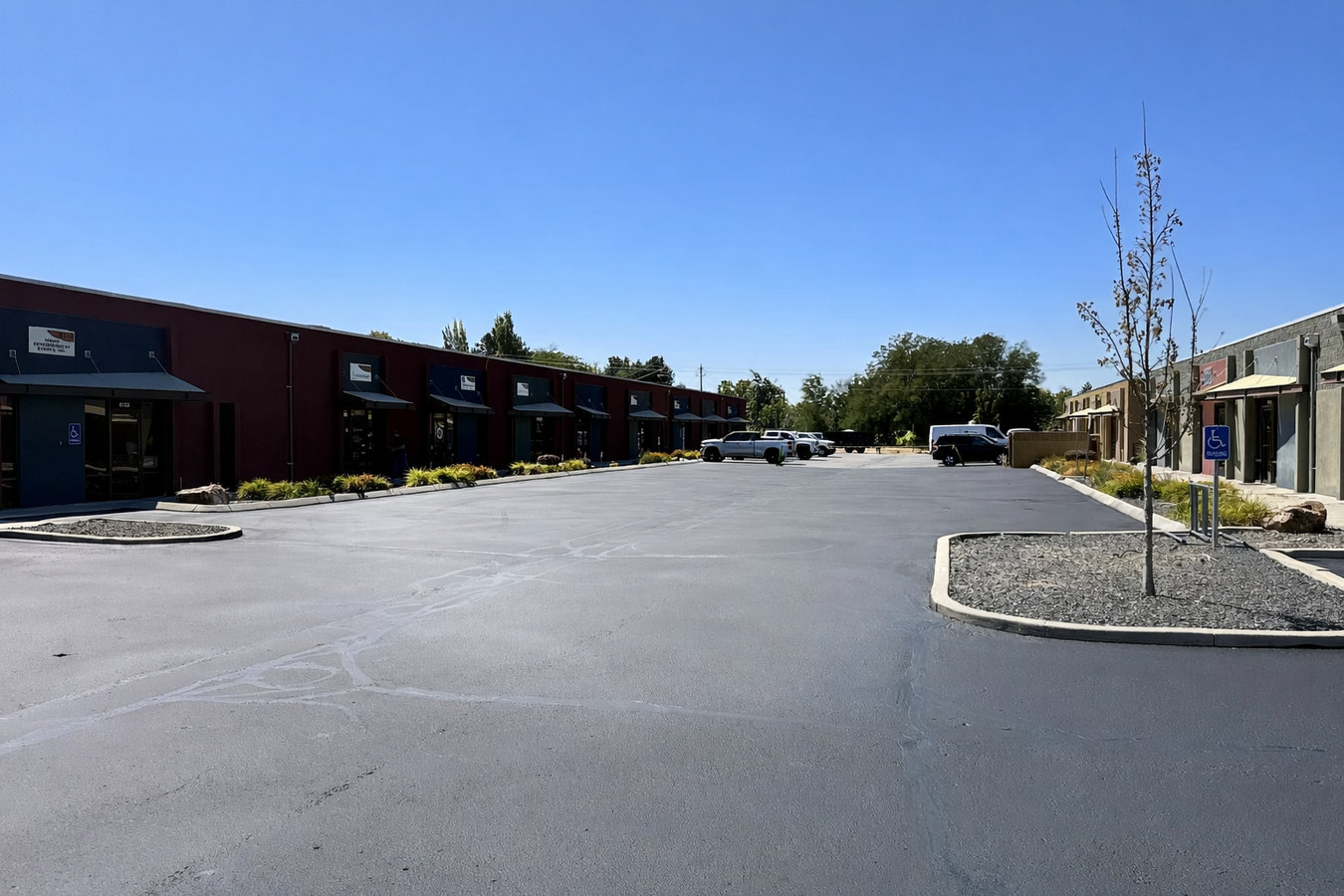
Sanford has a mix of small commercial properties, church lots, multi-family buildings, and home-based businesses along its main corridors - and asphalt parking surfaces in Central Florida often need full replacement with concrete after 15 to 20 years of heat and rain. A properly poured and sloped concrete parking area handles the heavy afternoon storms common here better than a patched asphalt surface and holds its shape through years of vehicle traffic. See our concrete parking lot services.
Sanford's older neighborhoods - particularly those built in the 1950s through 1980s near Historic Downtown and the streets off Park Avenue - have driveways that have gone decades without replacement. Sandy soil under the slab shifts through Florida's wet and dry seasons, and mature oaks common in the historic district push roots under driveway panels and cause cracking and heaving. A new concrete driveway with proper base compaction handles these conditions without the ongoing patching cycle.
Sanford's low-lying lots near Lake Monroe and the St. Johns River floodplain sit above ground that can stay saturated for days after heavy rain, which makes slab design here more involved than on well-drained inland lots. For additions, detached garages, or accessory structures in these areas, proper moisture barriers, drainage slope, and footing depth matter as much as the concrete mix itself. Getting those details right at the pour prevents settling, cracking, and moisture intrusion that is far more costly to fix later.
Some Sanford properties, especially those on lots that slope toward drainage ditches or low-lying areas near the lake corridor, need retaining walls to hold back soil and prevent erosion during heavy rain events. A concrete retaining wall gives those properties a permanent solution that holds through hurricane-season downpours without shifting or failing the way older block or timber walls tend to do when soil gets fully saturated.
Sanford's warm climate means outdoor pools get used through much of the year, and pool decks on homes built in the 1980s and 1990s often show the surface damage that comes with two or three decades of sun, chlorine exposure, and Central Florida's summer humidity. Cracked or uneven pool deck concrete is a trip hazard. A resurfaced or newly poured pool deck makes the area safe again and is better suited to handle the ongoing heat and moisture cycle here.
Fence posts, outbuildings, pergolas, and structural additions on Sanford properties all need concrete footings sized and poured to handle the local soil conditions. In areas near Lake Monroe where soil can remain wet for extended periods, footing depth and drainage planning are especially important to prevent settling. Footings poured without accounting for the water table in these neighborhoods often shift and cause the structures above them to rack or lean within a few years.
Sanford is the county seat of Seminole County, sitting on the southern shore of Lake Monroe, and the city holds a wider range of housing ages and types than most communities in Central Florida. The neighborhoods closest to Historic Downtown - areas like Goldsboro and the residential blocks off Park Avenue - contain homes built between the 1890s and 1950s with concrete block or wood-frame foundations that predate modern code requirements. These properties often need concrete work that accounts for older foundations, original materials, and the preservation review process administered by the City of Sanford Planning and Development Services. Farther out, the post-1990s subdivisions on the western and southern edges of the city were built with concrete block and stucco in the standard Florida CBS style, and those properties have their own set of common concrete repair needs as they reach 20 to 30 years old.
Climate plays a large role here too. Sanford averages over 50 inches of rain per year, most of it falling in heavy afternoon storms from June through September. That concentrated rainfall cycle saturates sandy soil, softens sub-bases under driveways and slabs, and accelerates erosion on sloped properties near Lake Monroe and the St. Johns River floodplain. Homes in FEMA flood-designated areas near the lake corridor require drainage planning that is not standard on drier inland lots. Hurricane season brings additional wind and water stress, and the occasional hard freeze - rare but real in Sanford - can damage irrigation systems and outdoor flatwork if drainage is poor. A concrete contractor working here needs to understand all of these conditions, not just how to pour a slab.
Our crew works throughout Sanford regularly, and we pull permits through the City of Sanford for applicable projects - which means we know the review process for both standard residential work and properties in the historic district. Sanford is a city with real geographic range: the older streets near Historic Downtown and the lakefront feel completely different from the newer subdivisions off Lake Mary Boulevard and the State Road 417 interchange, and the soil conditions, drainage patterns, and property types change noticeably from one part of the city to the other.
Lake Monroe is the most visible landmark in town - residents know it from the waterfront park and marina, and the neighborhoods near it are some of the most established in the city. The Central Florida Zoo on US-17-92 and Orlando Sanford International Airport are two of the most recognizable anchors in the area, and the streets between them represent a cross-section of the residential work we do here most often. Whether the job is near the lake, in the historic district, or out in one of the newer subdivisions, we understand how the local soil and drainage conditions affect the outcome.
We also serve nearby communities that Sanford residents know well. If you are in Deltona or the communities along the I-4 corridor southwest of Sanford, we cover those areas too. And for customers in DeLand to the west, we bring the same approach to concrete work across Volusia and Seminole County lines.
We respond within 1 business day. Share your Sanford address and what you need - a driveway, parking area, slab, or retaining wall - and we schedule a free on-site visit at your convenience.
We look at the site conditions, soil, drainage, existing concrete, and any nearby trees or grade issues before writing a detailed estimate. You see every cost line in writing before we start - no surprises.
Most concrete work in Sanford requires a City of Sanford permit, which we handle on your behalf. Permit review typically takes one to two weeks. Historic district properties may need additional review, and we account for that in the schedule.
We arrive on the confirmed start date, complete the work, and clear the site before leaving. You receive a walkthrough and written curing instructions specifying exactly when the surface is safe for foot traffic, vehicles, and normal use.
We serve all of Sanford - from the historic neighborhoods near Lake Monroe to the newer subdivisions off Lake Mary Boulevard. No pressure, no commitment, just a straight answer on what the job will cost.
(386) 284-1728Sanford is the county seat of Seminole County, with a population of about 61,000 residents, and it sits on the southern shore of Lake Monroe, one of the larger lakes in the region. The downtown waterfront and the surrounding streets make up one of the best-preserved historic commercial districts in Central Florida - brick streets, 19th-century storefronts, and a restaurant and brewery scene that draws people from across Seminole and Volusia counties. The residential character shifts noticeably as you move away from downtown: older bungalows and wood-frame homes on established lots closer to the lake give way to concrete block ranch homes built from the 1950s through the 1980s, and then to larger post-1990s subdivisions that spread out toward the 417 and Lake Mary Boulevard.
Sanford is a working city with real infrastructure - Orlando Sanford International Airport supports employment and keeps a steady stream of residents coming and going, and the Central Florida Zoo on US-17-92 is one of those landmarks that most long-time residents have visited more than once. For homeowners, the mix of old and new housing means concrete work here ranges from careful repairs on older foundations in the historic district to new slab pours for additions on suburban lots. Neighbors in Deltona to the southwest and DeLand to the west are also in our service area, and we bring the same understanding of Central Florida's soil and seasonal conditions to every job we take in this part of the state.
Call us or send a message and we will respond within 1 business day with a free on-site assessment and a clear cost breakdown - no pressure, no runaround.