Loading...
Serving Ormond Beach, FL and surrounding areas. (386) 284-1728
Ormond Beach Concrete is the local concrete contractor Ormond Beach homeowners call for driveways, patios, pool decks, and foundations. We have served Ormond Beach since 2025, we understand the sandy soil and coastal conditions that affect every job here, and we reply within 1 business day.
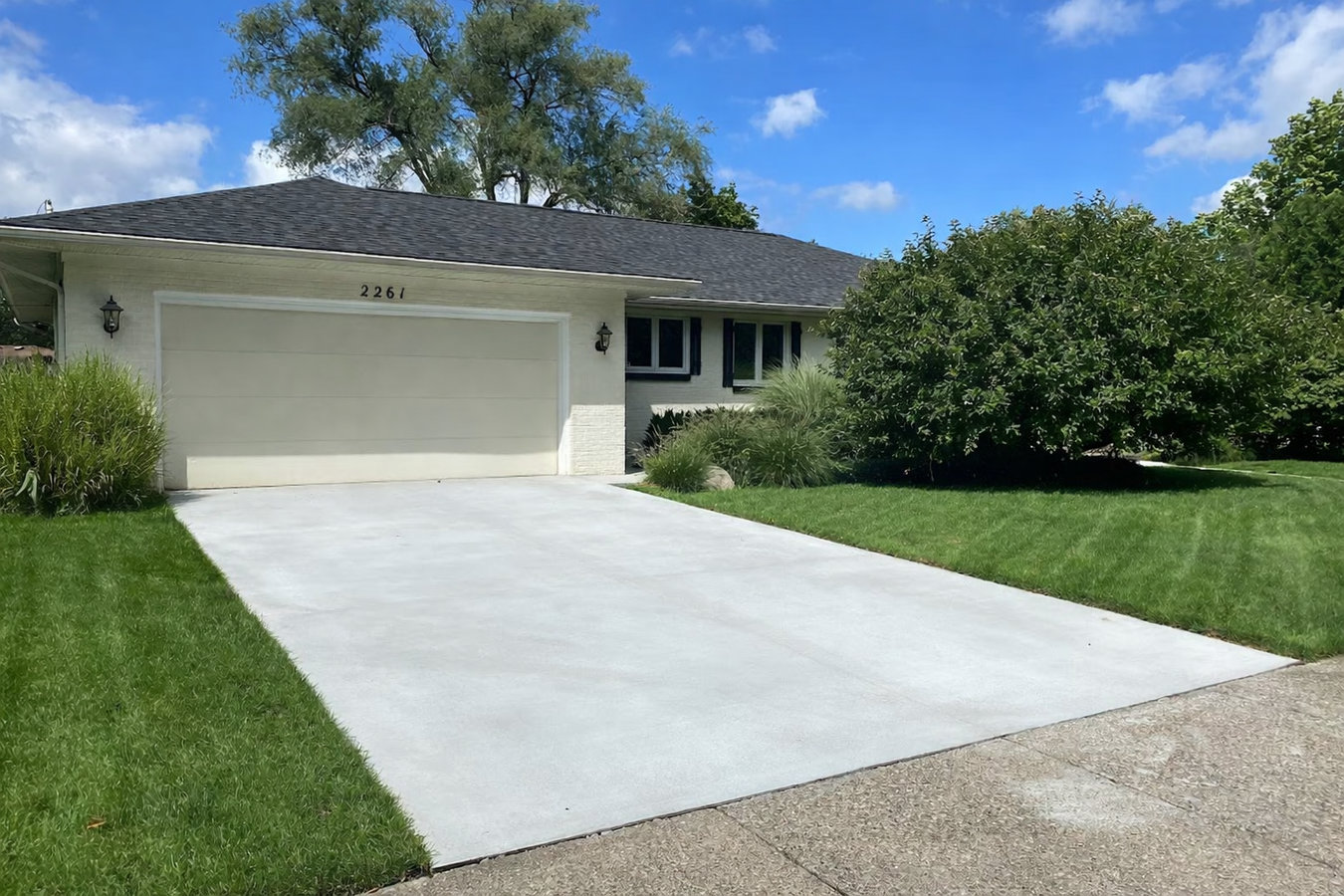
Ormond Beach's sandy soil and frequent afternoon storms put real stress on driveways. A properly poured concrete driveway with correct drainage slope handles the water instead of pooling it at your garage.
With a year-round swimming season in Ormond Beach, pool decks take constant foot traffic and UV exposure. A slip-resistant concrete surface holds up better than pavers or tile around a pool in this climate.
Outdoor living is a year-round priority in Ormond Beach. A concrete patio gives you a stable, maintenance-free base for furniture and grilling that does not shift or wash out in the wet season.
Monolithic slab foundations are standard for new construction in Ormond Beach because they perform well in sandy coastal soil and keep ground moisture away from living spaces.
Near-water properties along the Halifax River and tidal creeks often need concrete retaining walls to hold back soil and manage runoff. A poured concrete wall handles this better than block or timber in a flood zone.
From stamped overlays to exposed aggregate, decorative concrete lets Ormond Beach homeowners add visual interest to driveways, patios, and pool surrounds without the cost of natural stone.
Ormond Beach puts concrete through a specific set of stresses. The city sits on sandy coastal soil that compacts differently than the clay-heavy ground found further inland, which means a slab that is poured correctly in Atlanta could fail within a few years here without proper base preparation. Add Florida's wet season - roughly 50 inches of rain, most of it falling in intense afternoon bursts from June through September - and any concrete surface with poor drainage will erode, crack, and undermine itself steadily. The salt air that drifts in from the Atlantic accelerates surface wear on driveways and pool decks, especially in the beachside neighborhoods east of A1A.
The housing stock adds another layer of complexity. Most Ormond Beach homes were built between the 1960s and 1990s using concrete block construction, and a contractor doing new flatwork around a 40-year-old CBS home needs to account for the existing drainage patterns, the age of any adjacent foundations, and any settling that has already occurred. Homes in flood-zone areas near the Halifax River and the Intracoastal Waterway also face different requirements for retaining walls and drainage structures. Local experience with Volusia County Building and Zoning requirements is not optional for this work - it is a baseline.
Our crew works throughout Ormond Beach regularly, pulling permits through the Volusia County Building and Zoning Division and working on properties across the full range of neighborhoods the city covers. We know that a job in a beachside cottage east of A1A is different from work in a newer Hunters Ridge subdivision home west of I-95 - different soil profiles, different drainage conditions, different construction eras, and sometimes different permit requirements.
The city's layout along US-1 and Granada Boulevard puts most residential areas within a short drive of each other, but the conditions vary more than the geography suggests. Properties near Tomoka State Park to the north sit close to the tidal floodplain, which affects grading and drainage on any flatwork project. Homeowners near the Ormond Beach Performing Arts Center on West Granada are more likely to be in the older housing stock from the 1970s, with original concrete that has had 50 years of Florida weather on it. We do not treat Ormond Beach as one uniform job site - we assess each property individually.
We also serve the surrounding communities closely. Homeowners in Holly Hill to the south share many of the same soil and drainage conditions as Ormond Beach, and we work there regularly. Residents further south in Daytona Beach also call us for concrete work, and the Ormond Beach-Daytona Beach corridor is territory we know well.
We respond within 1 business day. Tell us what you need and where the property is - we schedule a site visit at a time that works for you, with no cost or obligation to the estimate.
We measure the area, review drainage and soil conditions, and ask about your timeline and goals. You receive a written estimate that itemizes base prep, materials, and finish - no vague line items.
If your project requires a Volusia County permit, we file it on your behalf. Most permits take one to two weeks. Once it is approved, you get a confirmed start date in writing.
We arrive on the scheduled day, complete the work, and clean up the site. You get a walkthrough before we leave. Curing instructions are left in writing so you know exactly when the surface is ready to use.
We serve all of Ormond Beach - from the beachside neighborhoods east of A1A to the subdivisions west of I-95. Call us or submit a request and we will get back to you within 1 business day with a time to visit your property.
(386) 284-1728Ormond Beach is a city of about 44,000 people in Volusia County, sitting between the Atlantic Ocean to the east and the Halifax River running through the middle of town. It borders Daytona Beach to the south and is often described as the quieter, more residential alternative to its more tourist-heavy neighbor. The city earned its nickname as the "Birthplace of Speed" from the early 1900s, when racers used the hard-packed beach to set land speed records - a history the city still celebrates with its annual Birthplace of Speed Antique Car Show every November. Most residents are long-term homeowners, with a median age around 50, and the city skews toward owner-occupied housing across its roughly 30 square miles.
The housing stock reflects several decades of growth. Beachside neighborhoods east of A1A have older homes from the 1950s and 1960s, many originally built as vacation cottages. The central corridors around US-1 and Granada Boulevard have a dense collection of ranch-style homes and CBS houses from the 1970s and 1980s. West of I-95, subdivisions like Hunters Ridge and Breakaway Trails were built mostly in the 2000s and 2010s with larger lots and newer construction standards. The city also covers a significant amount of waterfront along the Halifax River and Intracoastal Waterway, where near-water properties face the most acute moisture and drainage challenges. Nearby, Holly Hill sits just to the south along the Halifax River, with an older housing stock and many of the same concrete maintenance needs.
We are based in Ormond Beach and work throughout the city. Reach out now and we will have a written estimate to you within 1 business day - the sooner you call, the sooner your project is on the schedule.