Loading...
Serving Ormond Beach, FL and surrounding areas. (386) 284-1728
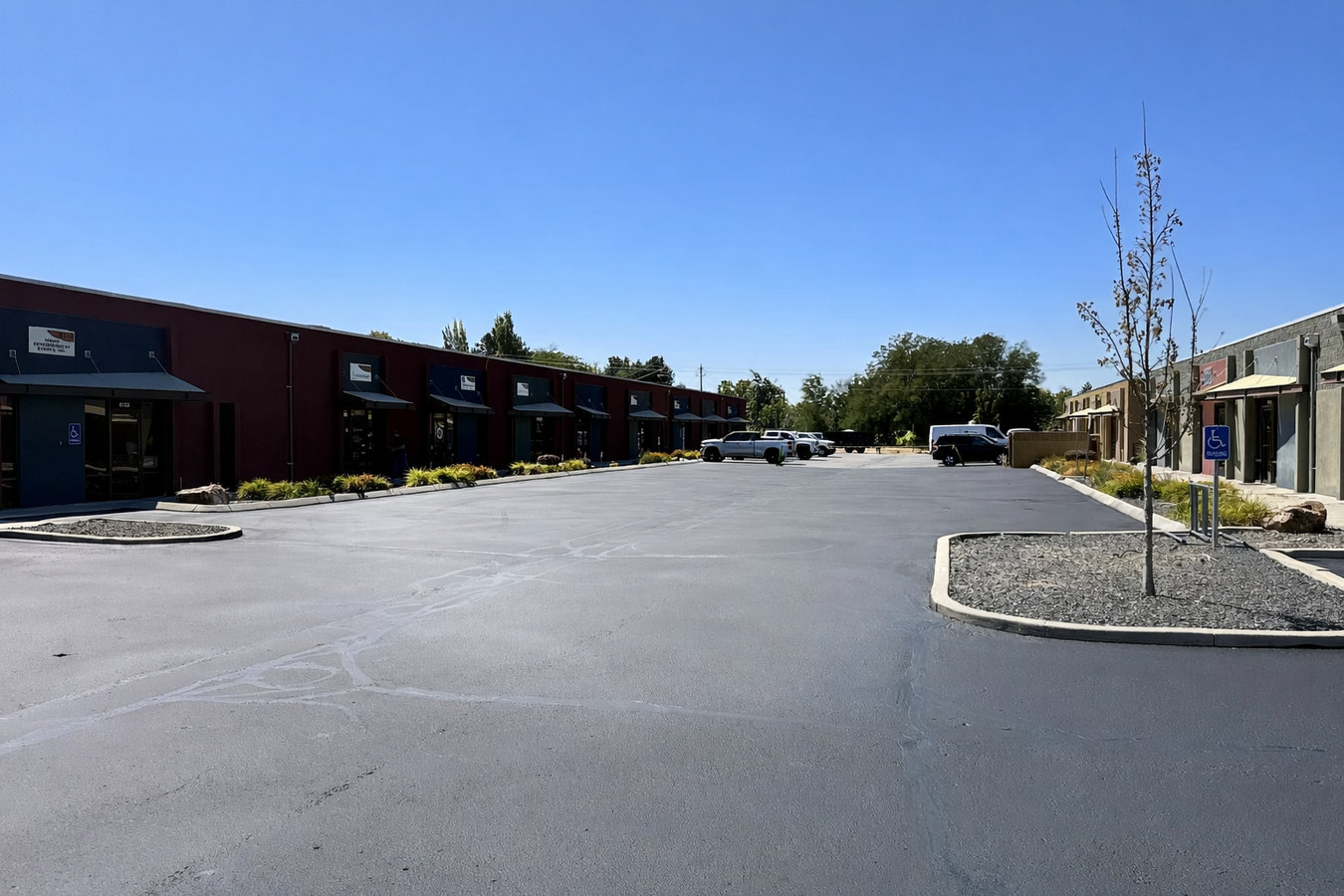
Gravel ruts and puddles after every storm are not something you have to live with. We build concrete parking lots on Ormond Beach's sandy soil with drainage designed for Florida rain.
Concrete parking lot building in Ormond Beach means removing existing surface material, compacting and stabilizing the sandy soil base, setting drainage slope, and pouring a 4-to-6-inch reinforced concrete slab - most residential and small commercial lots take two to five working days once the permit is in hand.
The work that happens below the surface is just as important as the pour itself. Ormond Beach sits on loose coastal soil that shifts more than the clay-heavy ground found elsewhere in Florida. Skip the base preparation, and a slab that looks fine on day one will be cracking and sinking within a few years. Our process starts with soil assessment and drainage grading before a single form goes up.
If your project also includes structural work below grade, pairing your parking lot with concrete footings for any adjacent columns or barriers keeps the whole job permitted and inspected together.
If you notice standing water on your parking area after a typical Ormond Beach afternoon storm, drainage is not working correctly. Water that pools - or drains toward your building - means the grade is wrong or the surface has settled. In a city that gets over 50 inches of rain per year, a surface that cannot shed water is a recurring problem.
Cracks wider than a quarter-inch, broken sections, or areas that feel soft underfoot are signs the existing surface has reached the end of its life. In Ormond Beach's heat and humidity, deterioration accelerates once it starts - small cracks let in water, which expands and contracts with temperature changes and makes the damage worse.
If you currently have a gravel lot, a shell surface, or a bare dirt area used for parking, you already know the problems: dust, ruts, mud after rain, and constant regrading. Converting to concrete gives you a permanent, low-maintenance surface that holds up to Florida weather without annual upkeep.
If areas of your surface have dropped lower than surrounding ground - especially near edges - the base underneath has likely shifted. On Ormond Beach's sandy soil, settling is not uncommon if the original base was not prepared correctly. Widespread settling usually calls for a full replacement rather than spot patching.
Our parking lot work covers new builds on bare or gravel surfaces, full replacements of deteriorated lots, and lots that need drainage improvements built in from the start. Every project includes excavation of existing material, soil grading and compaction, a crushed stone base layer, concrete forming, the pour, and final finishing with a broom texture for vehicle traction. We also handle the City of Ormond Beach permit application and coordinate any required stormwater review, so the entire project is documented and compliant from day one.
When the project involves supporting structures or load-bearing perimeters, we coordinate with our concrete footings work to keep the base system consistent. For properties adding a hardscape driveway approach alongside the lot, our concrete driveway building service handles that scope so both surfaces are poured and finished to the same standard.
Suits homeowners converting a gravel, shell, or dirt area into a permanent concrete surface.
Suits business owners who need a durable, code-compliant paved surface for customers and staff.
Suits property owners whose existing lot has reached end of life with widespread cracking or settling.
Suits properties where stormwater management is a concern alongside the paving project.
Volusia County's combination of fine sandy soil, a shallow water table, and heavy seasonal rainfall creates conditions that separate a parking lot built to last from one that fails early. The sandy coastal ground here does not hold compaction as well as inland soils, so the base layer under any slab needs more care and more material than a typical inland job. Skip that step, and you get a lot that looks finished on the surface but develops cracks and low spots within a few seasons. Drainage is the other major factor - Ormond Beach regularly sees afternoon thunderstorms that dump inches of rain in under an hour, and a lot with even a slight slope in the wrong direction sends that water toward your building. We design the grade of every lot before the forms go up, not after.
We serve parking lot projects throughout the area, including properties in Daytona Beach and New Smyrna Beach, where coastal soil conditions are similar and the same drainage-first approach applies. If you are not sure whether your property is within city limits or falls under Volusia County jurisdiction for permitting, we can help you sort that out before the project begins.
We ask for your address, the size of the area, and what it is currently surfaced with. Most projects in Ormond Beach require a free on-site visit to assess drainage and soil before we give you a written estimate. You will hear back within one business day.
For most new parking lots in Ormond Beach, we pull a permit from the City of Ormond Beach Building Division before work begins. This is our responsibility, not yours - it typically adds one to three weeks but ensures the work is inspected and on record.
The crew removes existing material, grades the ground for proper drainage, compacts the soil, and lays a crushed stone base layer. On Ormond Beach's sandy soil, this step takes extra care - it is what keeps the slab from shifting or cracking years later.
Forms are set, concrete is poured and finished with a broom texture for traction, and a curing compound is applied. We schedule pours for early morning in summer to avoid afternoon storms. Vehicles stay off the surface for four weeks for a full cure.
Free on-site estimate. No obligation. We handle the permit so you do not have to.
(386) 284-1728Ormond Beach's coastal soil does not compact the same way inland clay does. We have been preparing bases on this ground since 2025 and know the extra compaction and stone base steps that keep slabs from shifting. Ask us about our process on sandy lots when you call.
We pull every required permit from the City of Ormond Beach Building Division before any work begins. You do not have to call the building department or track down paperwork. When the job is done, the work is on record and legally protected.
Every parking lot we build is designed with slope and drainage engineered in from day one, not added as an afterthought. In a city that sees intense afternoon rainstorms, a properly graded surface that moves water away from your structure is not optional - it is the baseline.
American Concrete Pavement AssociationYou get a written timeline before the crew arrives - start date, active work window, and the date the surface is ready for vehicles. No guessing, no waiting for updates. If weather causes a delay during rainy season, you will know before we do anything.
Every one of those proof points matters on Ormond Beach's coastal soil. Solid base work, properly pulled permits, and drainage designed for Florida rain are not extras - they are what determines whether your lot looks the same in ten years or needs to be redone. Florida Concrete and Products Association standards guide our mix and finishing work on every project.
Structural below-grade footings for columns, perimeter walls, and load-bearing supports adjacent to your parking surface.
Learn MoreA concrete driveway approach connecting your lot to the street, finished and poured to the same standard as the lot itself.
Learn MorePermit season fills up - lock in your start date before the summer rain window closes. Call for a free on-site estimate.